- The Scarlet Letter
- Posts
- Temporary Protected Status
Temporary Protected Status
Switchyard, Our Friends on Shark Tank, White Hall City Council

The Scarlet Letter
January 14, 2026

Are you interested in sponsoring the best local newsletter on the planet? Reply to this email to help your organization reach hundreds of thousands of engaged Columbusites.
Top of Mind
Columbus’ Somali community just got dragged into Washington’s latest “temporary” decision
If you live in Columbus, you know the Somali community is not some abstract talking point. It’s your neighbor at Kroger, your kid’s classmate’s parent, the owner of the café you swear you “need to try soon,” and the reason half of Northland has better food than your group chat deserves.
This week, that community got a very real jolt: the Trump administration is ending Temporary Protected Status (TPS) for Somalia, with an effective deadline of March 17, 2026 (11:59 p.m. local time).
First, what TPS actually is (because the internet is bad at definitions)
TPS is a temporary humanitarian protection the U.S. can grant to people from countries deemed unsafe to return to due to armed conflict, disasters, or extraordinary conditions. It can allow people to live and work here legally while it’s in effect, but it is not a green card and it is not citizenship. It’s basically the government saying: “You can stay for now, but don’t unpack emotionally.”
Somalia has been designated for TPS since 1991, and it has been repeatedly extended for decades.

What changed
DHS and USCIS announced the Somalia TPS designation is being terminated, saying Somalia is no longer experiencing an “ongoing armed conflict” nationwide, describing it instead as “localized pockets of violence,” and raising concerns about vetting and documentation capacity.
The timeline matters: TPS for Somalia had been extended into March 17, 2026, and this move is essentially the administration saying it will not extend it again.
How many people are affected (and why the numbers are already messy)
Nationally, the numbers floating around vary depending on the source:
USCIS data cited in reporting indicates 2,471 Somali nationals currently hold TPS, with 1,383 applications pending.
Other reporting cites a smaller estimate of current beneficiaries (around 705) based on a different dataset (CRS).
What we do not have yet is a clean public answer to: How many people in Ohio are currently under TPS for Somalia? (Because why would the federal government ever make it easy to understand who it is about to disrupt.)
Why Columbus is paying attention
Columbus is widely cited as home to the second-largest Somali community in the U.S., often estimated around 60,000 people.
But here’s the key detail that gets lost when cable news discovers Ohio exists: Most Somali immigrants in the U.S. are naturalized citizens. Which means this TPS change does not suddenly apply to the entire community, even if it absolutely cranks up fear for everyone adjacent to it.
Governor Mike DeWine, when asked about the broader “Somali fraud” narratives bouncing around online, made the rare move of stating the obvious like it’s a principle: if you are a U.S. citizen, you are a U.S. citizen.
The part people are going to confuse on purpose
TPS ending does not mean “every Somali person gets deported.” It means people who only have TPS (and no other status) could lose work authorization and protection from deportation after the deadline, unless they’ve transitioned to another legal status.
It also means families get thrown into the blender of paperwork, legal fees, employer uncertainty, and “what do we do next” panic. In a city where Somali-owned businesses and community institutions are woven into daily life, that anxiety does not stay neatly contained to a policy memo.
So what now
If you’re reading this and thinking, “Ok but what does a TPS holder actually do,” the honest answer is: they scramble, they lawyer up if they can, they look for alternate pathways, and they wait for what always comes next in American immigration policy: lawsuits, updates, reversals, and more updates.
Columbus will feel this most in the places that already carry the weight of being misunderstood: schools, small businesses, and families trying to plan their lives more than 60 days ahead without the rug getting pulled.
Scarlet Letter Trivia
Question: In the early days of Television, it was not always broadcast everywhere. In the early days, coverage was limited to local areas, primarily in urban centers, and the technology and infrastructure for widespread broadcasting developed gradually over many decades. How many years has Columbus had TV
A) 76
B) 64
C) 85
D) 102
NEW CLUB ALERT
Columbus is getting a 24/7 work club, because your best ideas show up at 11:47 p.m.
Welcome Switchyard!
If you’ve ever tried to “just knock out one thing” at a coffee shop and ended up panic-ordering a second drink so you could justify taking up a table, Columbus has an update for you.
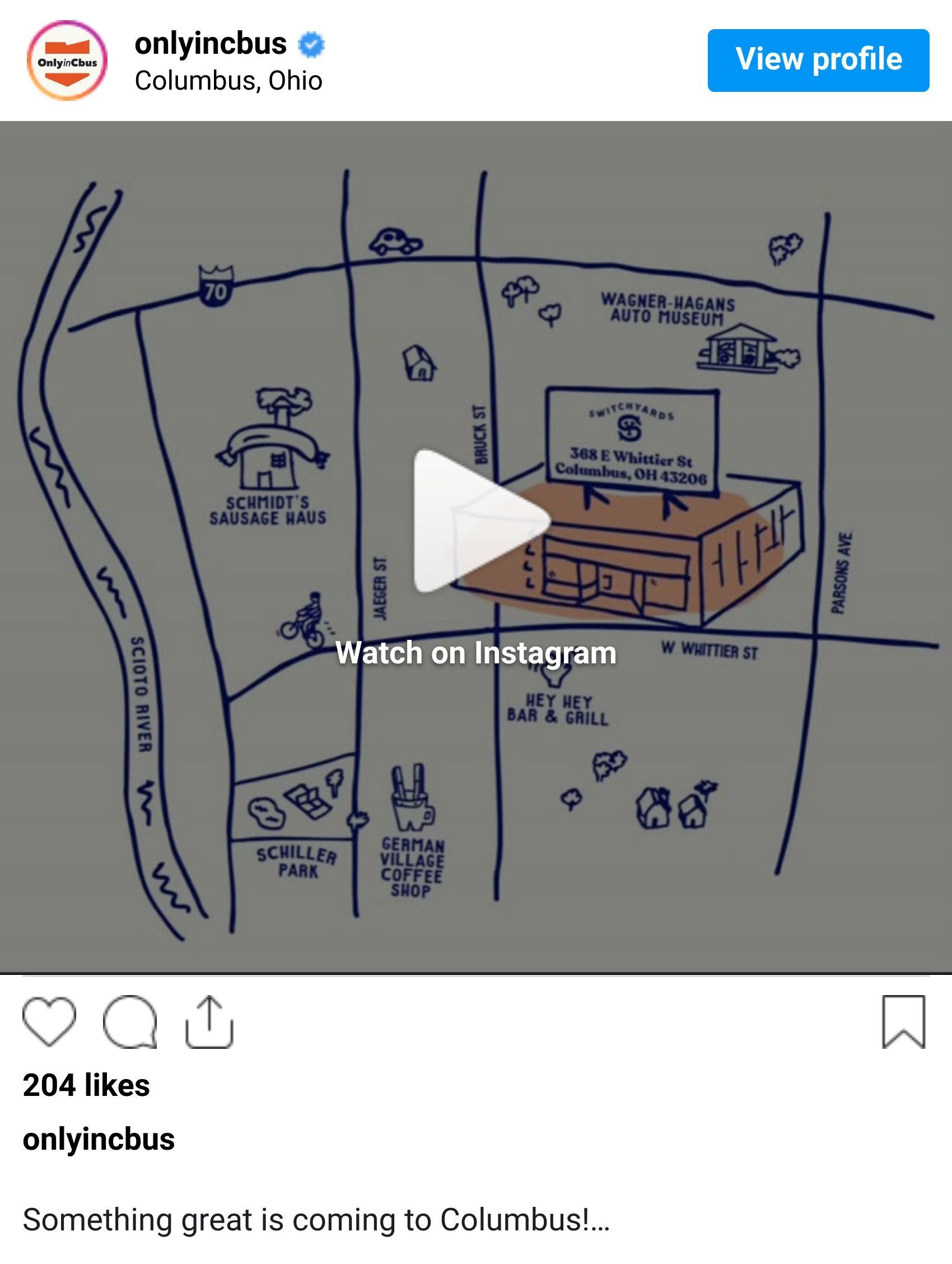
Switchyards is opening in German Village at 368 E Whittier St, inside the historic Buckeye Radio Lab building. It’s a 7,000-square-foot members-only “neighborhood work club” that will be open 24/7, which is either thrilling or deeply concerning depending on how many tabs you currently have open.

What it is
Think: the coffee shop vibe, minus the closing time, minus the guilt, plus the stuff you actually need when you have to be a real adult for 30 minutes.
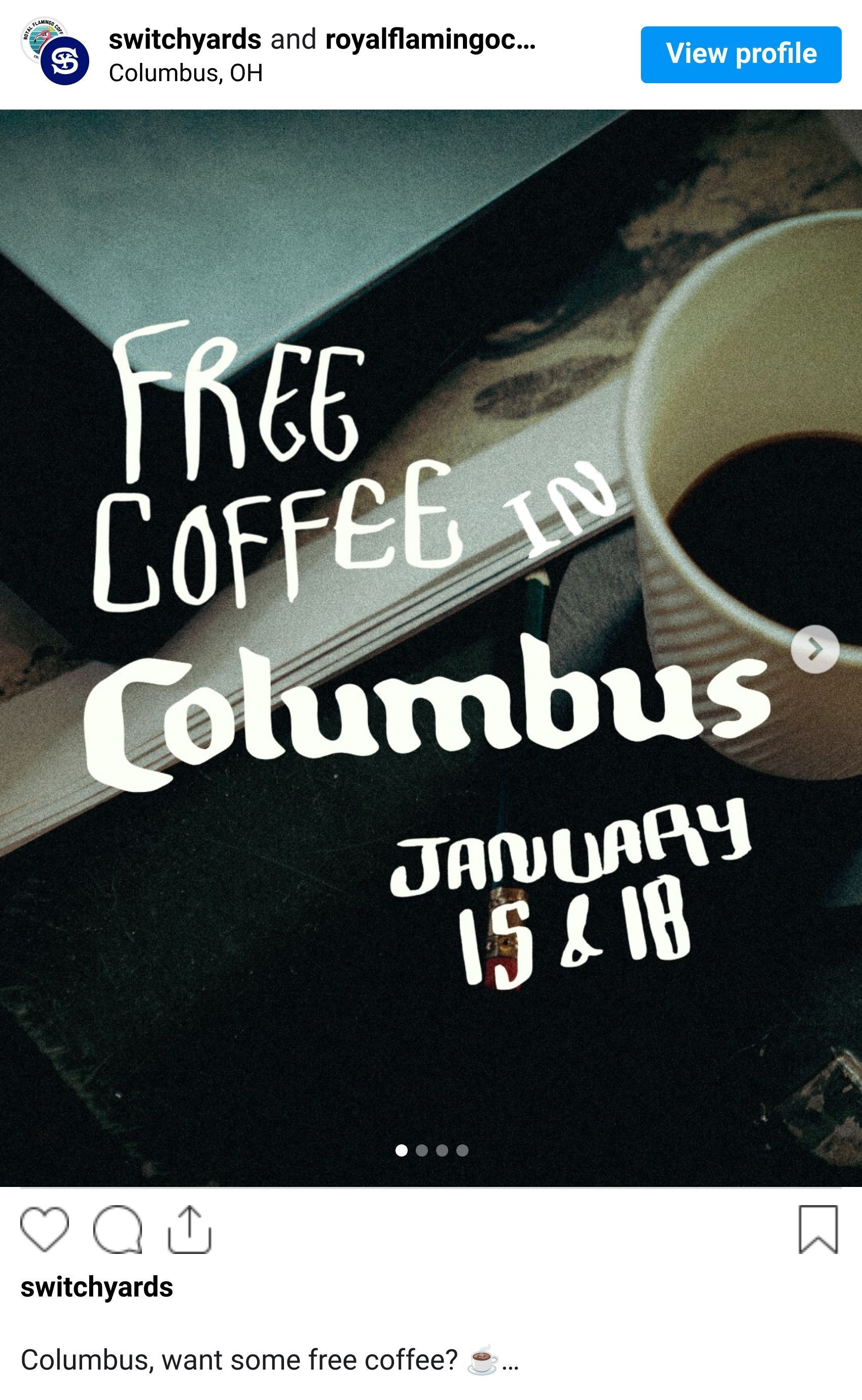
It’s $129/month, no tiers, no nonsense. You get endless free coffee from One Line and Royal Flamingo, plus organic Rishi tea for the non-coffee saints among us. There are bookable phone booths and meeting rooms, fast internet, and a free guest policy, which is a bold move in a city where “Can I bring a friend?” is the first question everyone asks about everything.
Also, your membership works at their other locations around the country. Columbus is club #34, which feels correct for a city that has quietly been training for this moment by turning every brewery into a coworking space between 10 a.m. and 4 p.m.
The only problem
Memberships drop one time on Jan 22 at 10 a.m. And Switchyards says every club they opened last year sold out on drop day. So if you want in, this is not a “I’ll circle back” situation.
Key dates
Jan 15 (8 a.m. to 11 a.m.): Buy the Neighborhood Coffee Day at Royal Flamingo (945 King Ave)
Jan 20 (8 a.m. to 3 p.m.): Sneak peek tours, day 1
Jan 21 (8 a.m. to 3 p.m.): Sneak peek tours, day 2
Jan 21 (6 p.m. to 8 p.m.): Sneak peek party
Jan 22 (10 a.m.): Memberships go live
Jan 26 (9 a.m.): Opening day
Columbus has plenty of places to work, as long as you do it during business hours and never speak above a whisper. Switchyards is for the rest of us.
The people who work best when society is asleep. SNEAK PEEK LINK
The Shark Tank Story
Columbus is on Shark Tank tonight!
Set your reminders and clear your calendar from 9:59 p.m. to 11:01 p.m. because Makers Social is heading to the big stage.
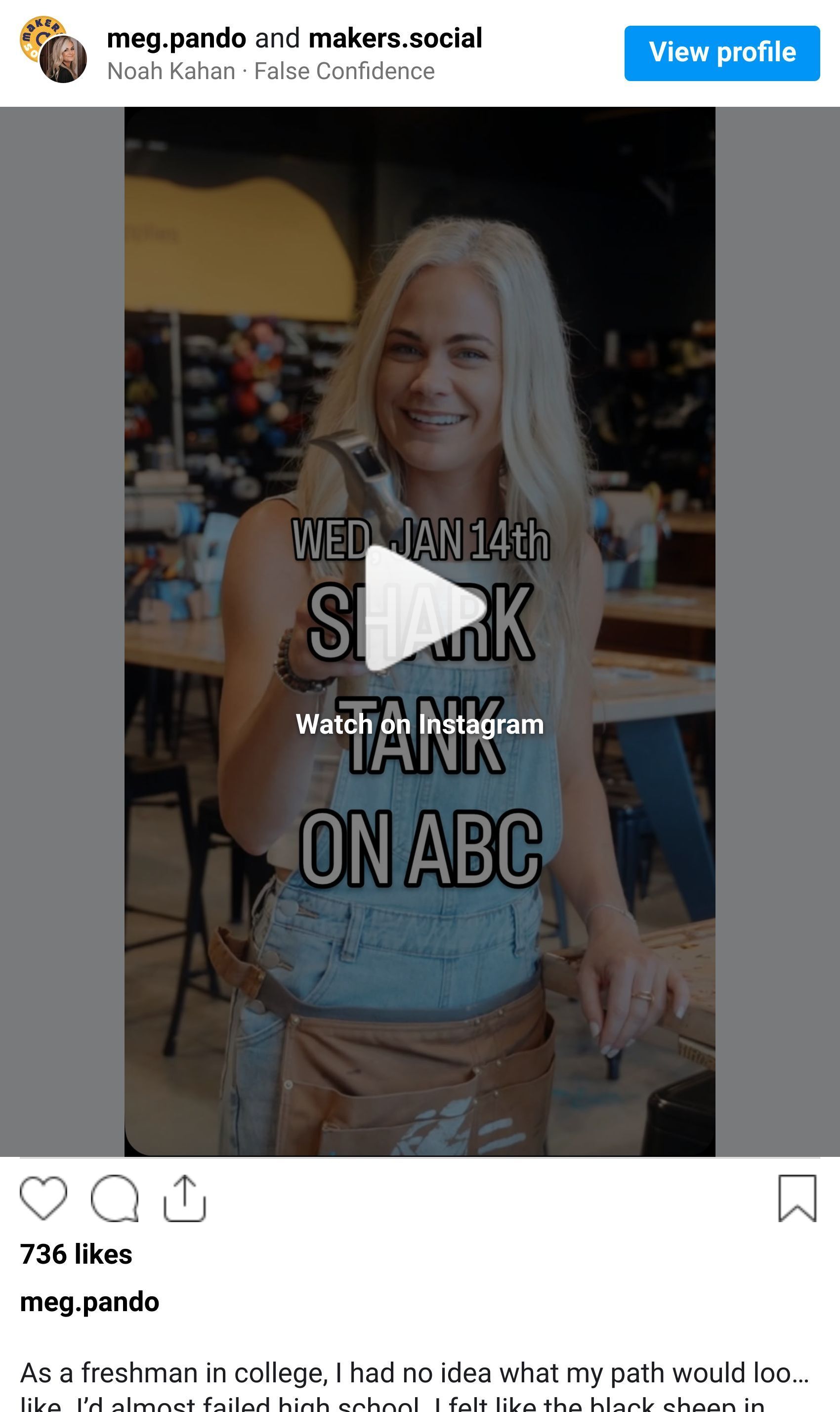
Columbus entrepreneur Megan Pando is appearing on ABC’s Shark Tank on Jan. 14, pitching her Franklinton-grown concept to the Sharks from 10 p.m. to 11 p.m. ET.
If you have not been to Makers Social, it is one of those ideas that makes you wonder why it took so long for someone to do it right. It’s an interactive makerspace and bar where you can build something with your hands (jewelry, leatherwork, woodworking) while enjoying craft cocktails in a space that actually feels social. Less “scream over music,” more “leave with a thing you made and a story worth telling.”
Also, the origin story is very Columbus. Pando moved here in 2014, opened Studio 614 in Clintonville, then launched Makers Social in 2020, which is either courageous or clinically unbothered by risk. Either way, it worked.
Makers Social lives at 461 W. Rich St. and tonight it gets to represent the version of Columbus we actually recognize. Creative, scrappy, welcoming, and quietly building something special while the rest of the country is busy asking if Ohio has electricity yet.
The Whitehall Situation…Someone Call That Rooster Guy
Whitehall City Council kicked off 2026 the way only local government can, with a gavel, a scandal, and applause at all the wrong times
Whitehall’s first City Council meeting of 2026 (Jan. 6) opened with the kind of tension you usually only get when someone microwaves fish in a shared office kitchen. The backdrop is Councilman Gerald Dixon, who was arrested on Dec. 8 and charged with felony counts related to alleged sexual misconduct involving minors. A judge dismissed the case on Dec. 23, but police and prosecutors have said the investigation is continuing and could still be presented to a grand jury.
At the meeting, Mayor Michael Bivens again called for Dixon to resign, then got cut off mid-comments by Council President Thomas M. Potter, who corrected the record in real time: the charges had been dropped, and he did not want to go down that road. The room clapped, because nothing says “functional civic process” like applause during a procedural shutdown.
Dixon, for his part, thanked supporters and emphasized “innocent until proven guilty,” leaning heavily on due process language while the city tries to figure out how to act like this is normal. Meanwhile, Councilmember Amy Harcar made it clear she didn’t bring legislation to remove Dixon only because she didn’t think it would pass right now, not because she thought it was unwarranted.
And now the plot thickens: recall petitions
On top of everything else, residents are now circulating recall petitions targeting Mayor Bivens and council members Lori Elmore and Amy Harcar. Bivens’ response was basically: go ahead, try it.
Here’s the part that matters if this moves from Facebook energy to actual ballots:
Under Whitehall’s rules, recall petitions require signatures equal to 15% of the voters from the last relevant election (and a higher threshold for ward council seats).
The exact number of signatures being cited varies by reporting and election math. WOSU reported petitioners may need about 586 valid signatures for the current effort.
Also, Dixon can’t even be recalled yet under the charter until he has served six months of his term.
So yes, Whitehall is now juggling a dismissed criminal case with an ongoing investigation, internal council conflict, and a recall movement aimed at multiple leaders. It’s like a civics lesson, except everyone is yelling and the lesson is “this is why people hate politics.”
Trivia Answer:
A) 76 there are people alive in Columbus who might not of seen TV till they were like almost 20

Till Next Week
